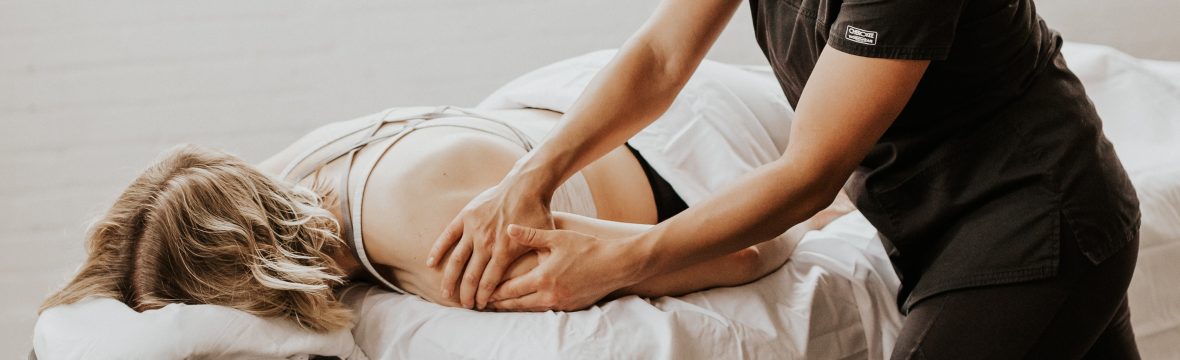


When I ask clients if they have ever heard of cupping therapy, most have some general idea about what cupping is. Many have seen the famous circular marks on their favorite athletes, others have friends of friends who have tried it. Overall, I would say that most people are generally curious and willing to give it it a try. In this article, I will briefly go over what cupping is, what it is good for, those who should avoid cupping, and what to expect in a cupping session! One thing I always tell clients in regard to cupping is,
It’s not as scary as it looks!!
What is cupping?
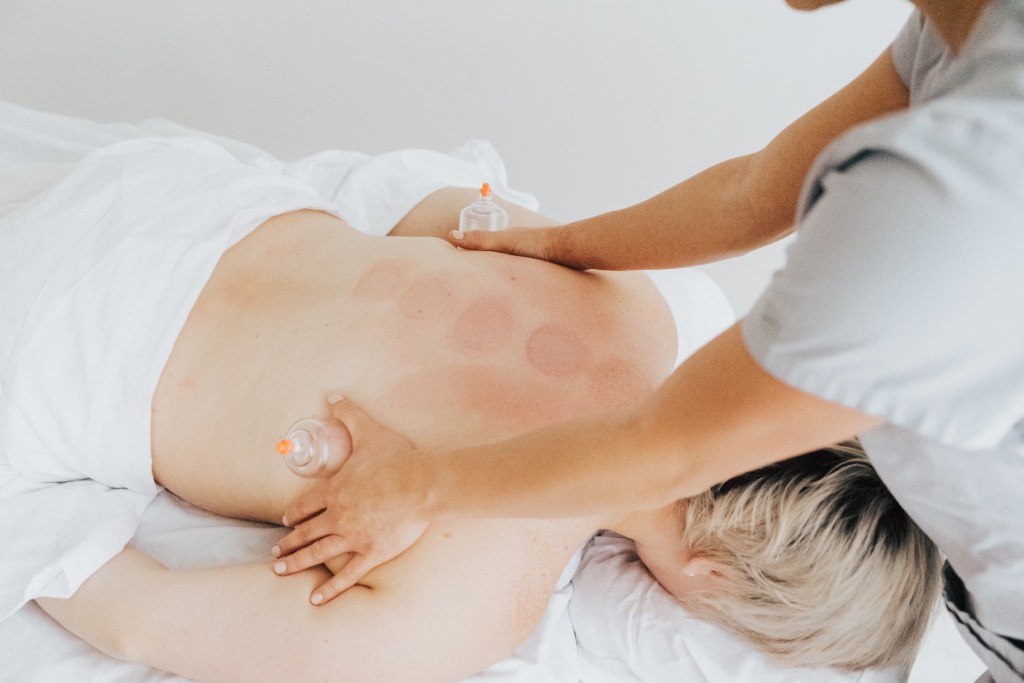
Cupping is an ancient form of manual therapy, originating in China and the Middle East. In fact, it was first documented in one of the world’s oldest medical textbooks, Ebers Papyrus, in 1550 B.C. There are many types of cupping, but in general, cupping is performed by suctioning up muscle and connective tissue into cups made of glass, silicone, (and are sometimes even metal, bamboo, or ceramic).
This suctioning creates negative pressure, allowing the practitioner to lift and stretch the tissues to draw blood flow to the area being cupped, break up scar tissue and adhesions, and release muscle tension to increase range of motion and decrease pain.
Some types of cupping include lighting a fire under the cups to create suction, or puncturing the skin to let blood flow out, however, cupping therapy as provided in our office is minimally invasive and involves none of the aforementioned techniques.
What is cupping good for?
Research about cupping therapy is limited because it is simply difficult to create a ‘placebo’ version of cupping therapy in order to create a “bias-proof” double blind study. With that being said, the clinical research and anecdotal evidence that we do have are very promising, and note benefits such as:
Pain Reduction
Muscle Relaxation
Change in Tissue Structure (breaking up of adhesions and scar tissue)
Increased Blood Flow (vital for healing and waste removal)
Boosting of Immune System
Balancing of Hormones
Release of Toxins/Waste
There are many theories as to the actual mechanisms of action which bring about these changes. For more information, please see our sources listed below!
Who should not get cupping?
While cupping is generally a very low-risk treatment, there are some individuals who should avoid cupping. These include those with:
Bleeding Disorders (such as Hemophilia)
Blot Clotting Disorders (such as DVT, or history of strokes)
Skin Conditions such as Eczema and Psoriasis, or those with fragile skin
History of Seizures
Pregnant women should speak to their healthcare providers before receiving this type of therapy
What to expect in a cupping session?
So what does cupping feel like?? Does it hurt? How long do cupping marks last for? Does everyone get them?? Here is what to expect with cupping therapy.
First and foremost, when receiving cupping, you should feel the pressure that comes with your tissues being lifted and stretched, but not pain.
A little bit of discomfort may occur, but is not necessary for effective cupping, and should never become sharp. As with any other hands-on therapy, it is very important to have an open dialogue between client and practitioner. Pressure in the cups can be increased or decreased at any time in your session, techniques can be adjusted, and if you wish to stop or pause cupping treatment, you are most definitely entitled to do so.
Cups will either be placed stationary over a specific area (such as a muscle insertion, attachment, or adhered region of muscle belly), or they will be glided across the tissue in a specific manner. Your therapist may also place stationary cups and then guide your body through range of motion stretches. As cupping therapy is extremely effective (five minutes of cupping is the equivalent of approximately 30 minutes of Deep Tissue massage), cups will not typically be left on for more than 5-10 minutes.
Lastly, expect cupping to leave marks on your skin (called ecchymosis), that will fade in a few days to a week’s time. These marks should not be painful to the touch. The color and severity of these marks will depend on what areas were worked, the quality of the tissue, how long cupping was performed, and how well your body has been doing at removing waste.
Typically deeper colored marks indicates greater pre-existing muscle tension, and build up of stagnant waste.
I always tell clients to warn their spouse or significant other of the marks, and to come up with a really good story for how they got them. 🙂
As always, feel free to reach out with your questions, concerns, or if you’re ready to schedule your cupping session!!
Sources
https://www.ncbi.nlm.nih.gov/pmc/articles/PMC6435947/
https://my.clevelandclinic.org/health/treatments/16554-cupping
 utahmedicalmassageandwellness.com